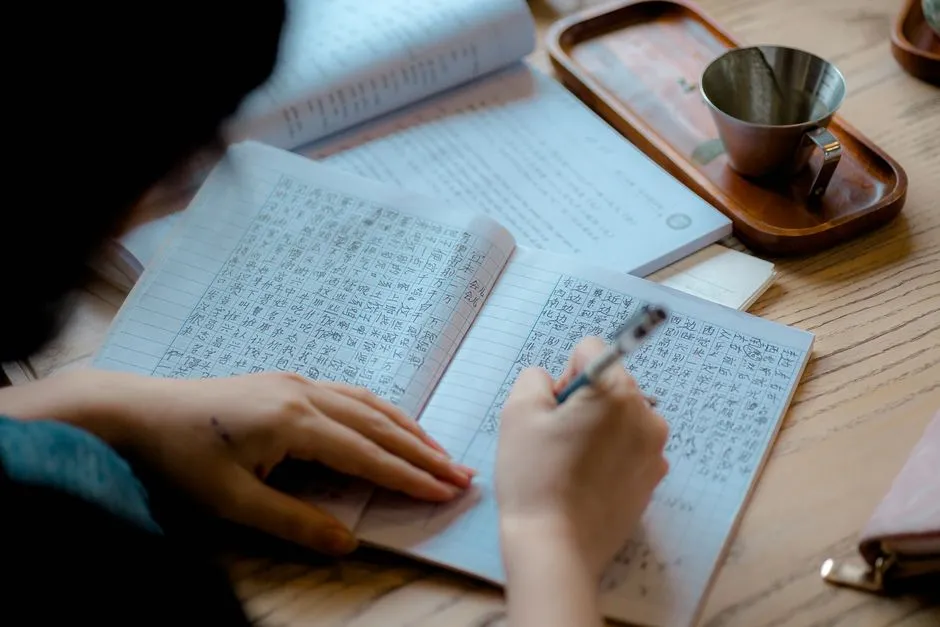
Getting Started
How to Build a Daily Language Learning Routine in 20 Minutes
The most reliable language learning routine is 20 focused minutes a day, anchored to an existing habit like morning coffee or a commute.
Begin with one language, a clear reason and a routine that fits ordinary weeks. These guides help you choose a direction, set measurable goals and move toward conversations without promising one universal timeline.
The most reliable language learning routine is 20 focused minutes a day, anchored to an existing habit like morning coffee or a commute.
For an English speaker, reaching comfortable conversational fluency (CEFR B2) takes roughly 480–600 hours for an easy language like Spanish or French, and…

Choose the language you have a concrete personal reason to use and enough real exposure to keep studying for months.
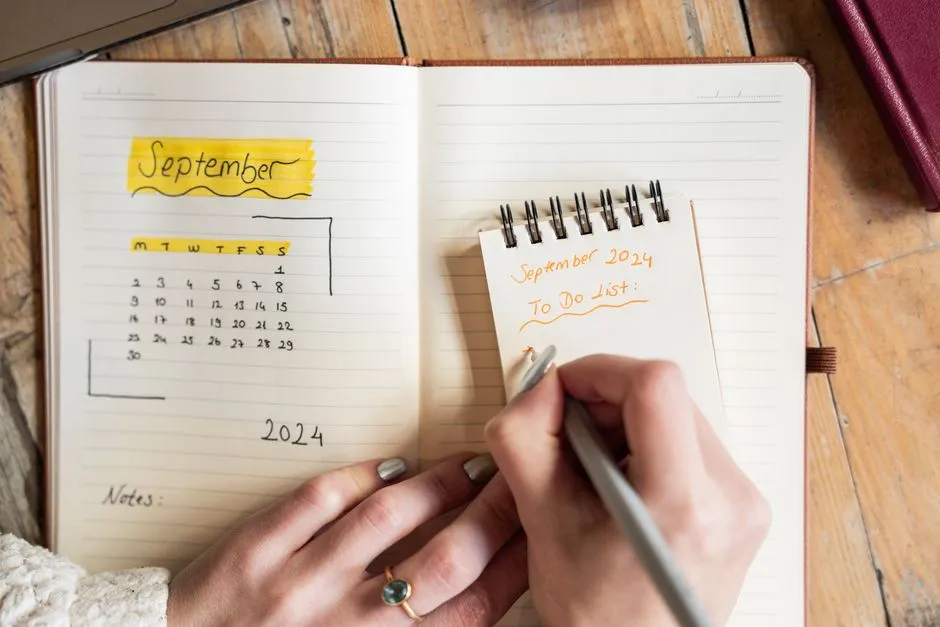
Set language learning goals at three time scales that feed each other: a daily process goal you control (e.g.
To start learning a language, pick one language and commit for at least three months, define a concrete reason you're learning, build a daily…
You can learn two languages at once, but the better plan depends on time, purpose, and evidence.